


Cars and Credit Master
Blog / Cars and Credit Master Service

20 Useful Maintenance Tips To Care For Your Car

laurel-and-michael-evans-c-KDq7nxVdQ-unsplash

You have purchased your dream car and now you want to make your car last longer. Properly maintaining your car is the key to keeping it in good condition. It can also help ensure your safety and your fellow passengers. Cars and Credit Master is ready to give your car the best service. Our top-notch service staff and car mechanics can get your car or truck in and out quickly, as we know the frustration of being without your vehicle while waiting for it to get repaired. That's why our staff excels in providing top-notch maintenance and repair—doing it quickly.

Whether you just got a car or have been driving one for long, it all comes down to the maintenance. Certain car maintenance tips can help your car to be in good condition. Though, you must have the technical knowledge and know-how to keep your car in good shape. That is why we’ve prepared 20 useful car maintenance tips that can make your car last longer.

1. Regularly Check your Vehicle

Take the time to walk around your vehicle at least once a week. Examine your car and search for any damage. You should also inspect your tires for any corrosion, breaks, or cuts and test every lock, window, and even the roof of the car.

Cars and Credit Master services include;

  • General Automotive Repair
  • Preventive Car Maintenance
  • Air Conditioning and Heater Service
  • Cooling System and Radiator Repair
  • Synthetic Motor Oil Replacement
  • Oil Filter Replacement
  • Brake Repair
  • Engine Diagnostic
  • Belts, Hoses, Fluids
  • Transmission Services

2. Inspect the Air Filter

A lot of car problems appear when your air filters are obstructed or if they fit loosely. Air filters block pollen, dust, and other contaminants to maintain your engine healthy. The air filter can lessen the airflow into the engine when dirty. It will rob your vehicle of power, lower performance, and fuel conservation. It’s recommended that you replace your air filter quarterly.

3. Always Check Air Pressure

Tire pressure can affect the fuel economy. It also impacts the comfort and handling when driving. The car's manual will have the recommended tire pressure specified in the owner’s manual. Usually, tire pressure should be checked every week, if you can. You can also ask a question about our service center to serve you better.

4. Clean the Exterior of the Engine

It is important to clean your car’s exterior engine as much as keeping the interior engine clean. If not sanitized properly, even minor debris in the wrong area can damage your engine. For example, when you check the brake fluid, some grease might fall into it. Because of this, the brake can be damaged. Therefore, be sure to check your brake fluid levels at least once every month.

5. Protect your Headlights

Turn on your headlights when you park in front of a flat surface to check if both headlights are working well and in good shape. Visually examine both turn signals by walking throughout your car and see your parking lights. You can also ask a friend to stand at the back of the car while you try the brakes to be certain that your brake lights are working.
6. Check your Battery

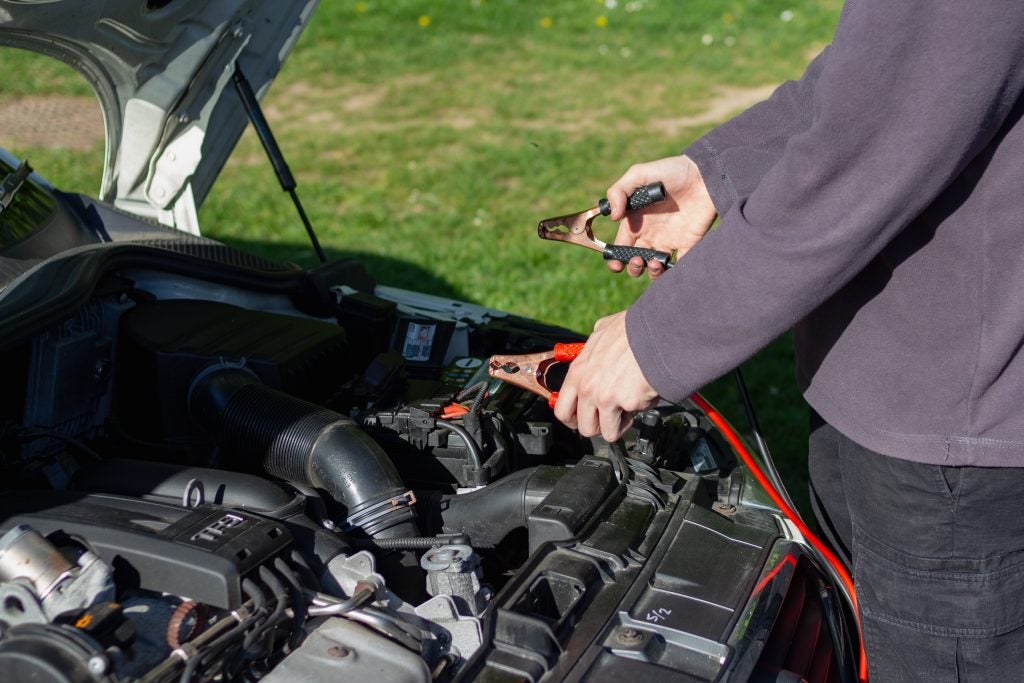
Your car battery is one of the most essential components required for it to run properly. The battery of the car is responsible for giving a large amount of electrical current for the engine, starter, and other electronic accessories in the vehicle. Severe temperatures affect the performance of the battery so proper battery testing will ensure that the battery will perform when you need it to.

7. Replace your Spark Plugs, if necessary

Spark plugs can impact the performance of your car’s engine and they are responsible for igniting the gas and air mixture that ultimately powers your vehicle. Thus, when the spark plugs are not functioning, it lets the engine to lose power and the optimal capacity will not function. You should get your spark plugs professionally checked.

8. Make your tires restored and rotated

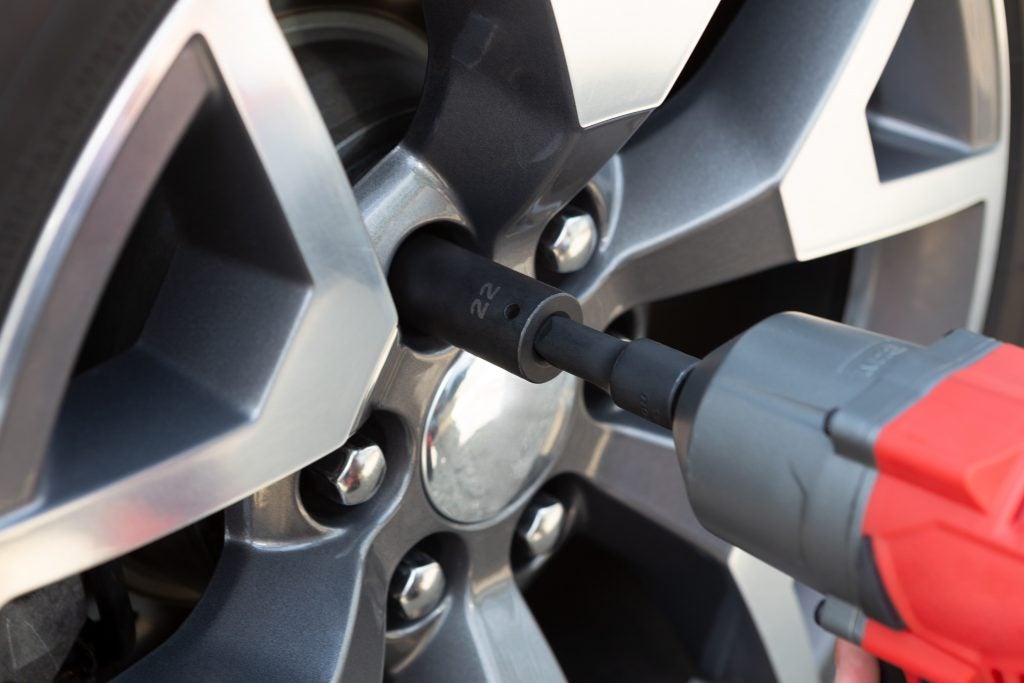
Tire rotation is necessary to sustain the safety and performance of your vehicle. It gives your vehicle a more agile steering response and a smoother ride. Rotating your tires gives them a chance to even out erosion and helps prolong the life of the tires. Be sure to check the tire pressure of your car once a week and even before you go for a long ride or when you carry overload items in your car. The recommended tire pressure is usually posted on a sticker inside the driver’s door. If there’s no sticker on the door, you can check the owner's manual and search for the specs.

9. Check on your Cooling System

Your car’s cooling system and radiator need to be clean to function completely and efficiently. Your car’s radiator creates collateral with normal wear and tear, which can interrupt the cooling system. With a radiator flush, you can keep your cooling system in shape quickly and inexpensively. Check the car’s manual to find out if you need to flush the radiator once a year or after every two years. 

10. Check your Wheels for Brake Dust

The brake dirt on your car does not affect the overall function of your brake but it does ruin the look of the wheels. When you apply the brake, a mix of substances that come into connection with the brake rotor and brake pad which is the brake dirt. If these are exposed to the sun, they can leave serious spots on your wheel. Hence, it is important to clean the dust off your wheels with a damp sponge. 
11. Inspect Drive Belts

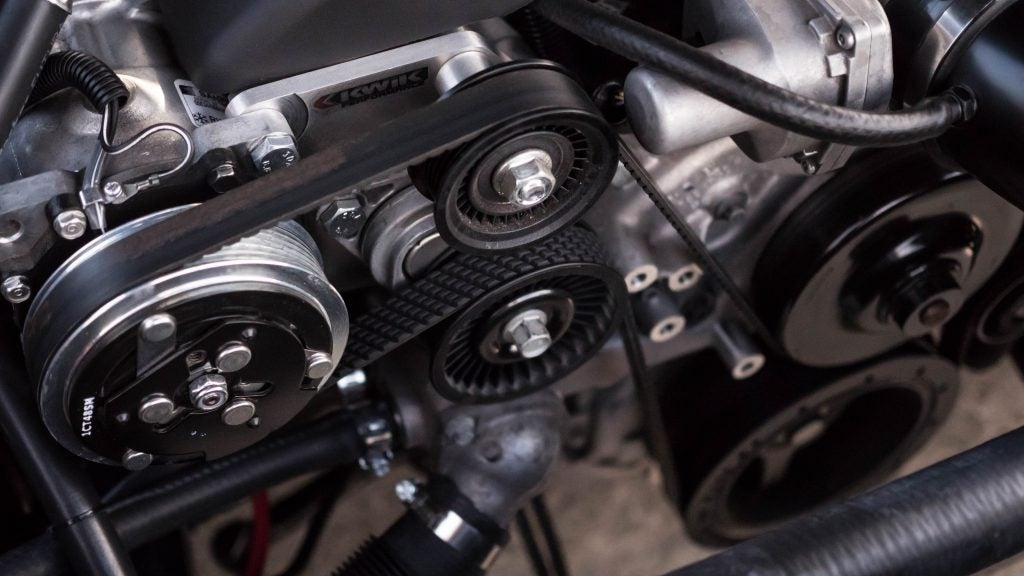
Your engine provides power so that other parts and accessories run including the power that your vehicle requires to operate. Modern cars use a single belt which is also called a serpentine belt to rotate and connect from the crank pulley. As these belts are typically made of rubber or other polymers, they wear a lot even with regular use. So it’s important to check these belts regularly to inspect for visible hairline cracks or any change in their integrity.

12. Monitor Oil Levels

There are a lot of mechanical moving parts in your car’s engine that creates conflict as they stroke against each other. This friction generates heat and can lead to a vital loss in engine performance. This is why reducing friction from these parts is crucial to ensure smooth running. 

Also, you might hear noises from your engine and a large reduction in fuel economy can occur. Check your engine’s oil level as an essential part of your car maintenance routine. It’s also important to look at the color of the oil, it shouldn’t be black. The black color usually indicates the presence of contaminants, excessive heat, and the addition of chemical additives.

13. Always Carry Automotive Tools

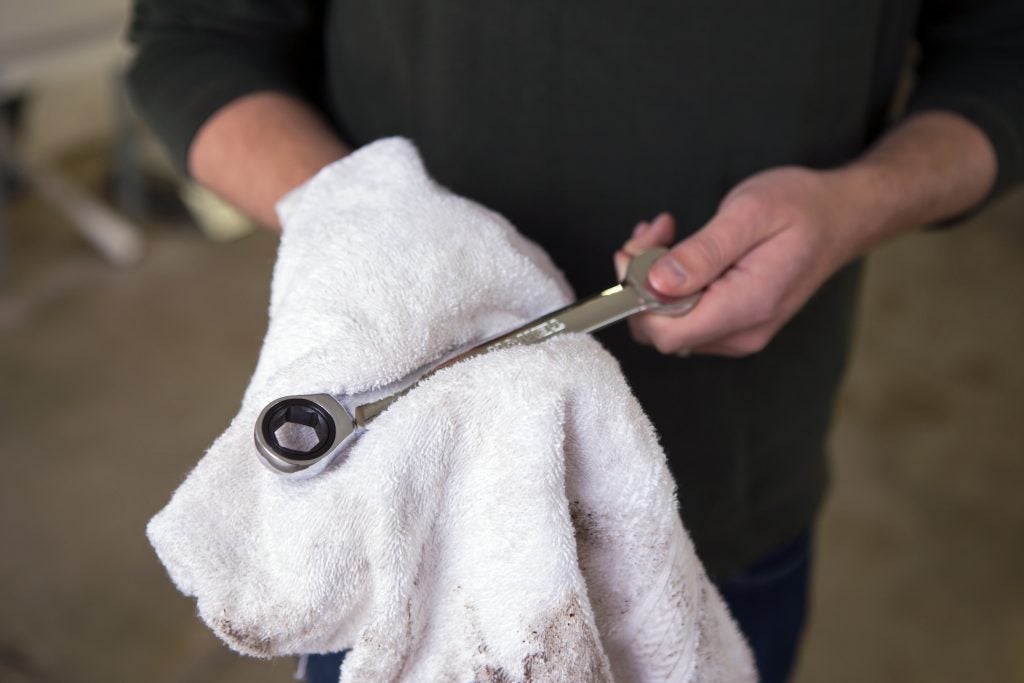
One good advice is to carry any necessary tools, so you can use them to maintain your car on the go and work with these tools in case your car faces various problems. For example, if you delay repairing a puncture, it can cause possible damage to your engine. Without having a tool kit, this can result in having to get your car towed. A set of tools can come in handy and will give you choices that you would not have. Not only are having tools useful daily but they can be useful in tough situations as well.

14. Protect your Car from Weather

Keeping your car away from the range of sunlight and trees can help your car’s paint and interior remain in good condition. Severe weather, harmful radiation, and nature can take damage to your vehicle. It is recommended to wash your car regularly and use protective means on plastic and rubber parts, a car cover is important as well. It will keep your car in the best shape for years to come so a car cover is a good purchase. As a result, you should keep your car covered when you are not using it and try to keep it inside your garage.

15. Wipe your Windshield and Replace your Wipers

A dusty windshield will not let you see clearly that it can cause inconvenience. They can create visual harm if not cleaned frequently and can result in accidents. For safe driving, the driver must have a clear view of the road. If you do not clean it, the dirt and particles will gather and can scratch the windshield when you use the wipers. Check your wipers when the rainy season is approaching and get them changed if needed. Your car’s glass can get scratches and obstruct your view if you use damaged wipers and it might lead to having to replace your entire windshield.
16. Check your Fluid's Regularly

Get in the habit of checking car fluids along with the tires. When the engine cools down, open the hood and remove the oil dipstick. Clean the dipstick thoroughly and put it back again. When you pull it out now, you’ll notice the oil is up to a certain level. Check if the oil is at the correct level. Also, replace the oil every three months or every 3,000 miles, whichever comes first. By doing this, check even the fluid level of your power steering, the hoses, and belts and look for any signs of wear. Moreover, check the transmission fluid level after starting up your car. Get your tires and fluids regularly checked for the best performance of your car. 

17. Inspect Engine Coolant Level

While there is oil in your engine to help lessen the friction between moving parts and help it block from getting heated at an extremely faster rate, your engine will also need a system that will help it get cleared of this created heat. That’s where the function of your radiator is needed and the fluid supplied to it is your engine coolant. If the coolant in the reservoir is running low or if it’s not there, then heat from the engine won’t get dissipated into the environment. This can make your car’s engine overheat. Before you start running out of your driveway, inspect the engine coolant levels as a part of your car maintenance checklist. 

18. Replace Cabin Air Filter

You might want to replace the cabin air filter of your car especially when you have a passenger or family member that is allergic to dust and airborne particles. It’s one of the simplest ways to keep everyone comfortable and safe inside your car. You can always refer to the manual for the recommended time of replacement of the cabin air filters.

19. Check your Air-Conditioner

Before starting any air-conditioner related labor, it’s important to know what coolant you need. The air conditioner needs to have a proper level of coolant which is the cooling agent that keeps your vehicle running effectively. If your car’s A/C isn’t blowing cold air or there’s a clicking sound coming from the engine then most likely the unit needs to be restored. A properly working AC will not only make a vehicle’s passenger more comfortable and it’s also a great maintenance tip to follow. 
20. Bring your Vehicle to Us!

There are some things that you can fix by yourself, there are also times when the car’s condition requires professional expertise. So at times like these, schedule car maintenance or car repair right here at Cars and Credit Master. When it comes to car care maintenance, things aren’t complicated. Your car just needs to be taken care of by our top-notch service staff and car mechanics. Furthermore, you get a higher resale value for its optimal condition. After all your car is your favorite travel buddy, isn’t it?  

Final Thoughts

Your way of driving impacts the condition of your car. When you drive smartly and safely, there’s not only less wear and tear on your car but you also can save on fuel costs. Start by taking a look at your driving habits. If you’ve got a habit of getting off fast and applying brakes quickly, each smooth shift saves money on gas. 

For what it is worth, if you follow all the maintenance tips included in this article, you can be sure that your car will last longer. If you have some questions that you would like us to answer, please write your opinions and send us an email or directly contact us.  
Posted in:

Related Posts

Seasonal Car Care Maintenance Tips

The leaves are changing, the temperature is cooling down - It is officially time to think about the fall. Most fall season tips for car owners will likely turn around planning for winter. That is mainly because temperatures severely drop in the following two seasons. It will be helpful looking into preparing for winter as soon as you start to see the leaves fall—lucky for those who are prepared. While it rarely gets freezing in the Dallas and Fort Worth area, it is important to adjust your car maintenance routine when the temperatures drop. If you will be traveling for the holidays to a cooler climate, make sure to fully prepare for heavy rain, ice, and other weather. Here at Cars and Credit Master, we are concerned about our client's car care during the change of seasonal weather. Thus, we've prepared some seasonal car care maintenance tips to help your vehicle stay in top condition all season long. Autumn/Fall An accurate inspection of your vehicle during the fall months will go a long way toward ensuring safety and dependability when temperatures drop and extreme winter weather hits. A routine maintenance schedule also makes economic sense, increasing useful vehicle life, and helping avoid harmful repairs down the road. Whether you do it yourself or take your car to our service center. Cars and Credit Master advises basic car care maintenance tips to keep your vehicle run smoothly: Inspect all fluids, including engine oil, power steering, brake, transmission, windshields, and coolant. Inspect the belts and hoses to make sure they are not broken, frayed, brittle, loose, or giving signs of extreme erosion. Check the battery and change it if needed. Make sure the connection is neat, compact, and corrosion-free. Check the brake system annually and have the brake linings, rotors, and drums inspected when you change the oil. Check the exhaust system for leaks, damage, and broken supports if there is an unusual noise. Exhaust leaks can be dangerous and should be fixed immediately. Schedule a tune-up to help the engine deliver the finest balance of power and fuel-saving and produce the most economical level of emissions. Inspect the heating, ventilating, and air conditioning (HVAC) system. Proper heating and cooling performance are essential for interior comfort and safety. Monitor the steering and suspension system annually such as shock absorbers, struts, and chassis parts including ball joints, tie rod ends, and other components. Inspect the tires, including tire tread and pressure. Uneven wear indicates a need for wheel adjustment. Tires should also be checked for lumps and bald spots. Inspect the wipers and lighting so that you can see and be seen. Check that all exterior and interior lighting is operating properly and replace worn wiper blades so you can see clearly when driving during heavy rain. Winter Winter Season is terrible and throws all kinds of weather our way, sometimes making driving a frightening ride. Thus, it is important to be prepared, here are some tips to secure that you and your car make it through the season safe. Shift to a winter weight oil. Viscosity changes with temperature, so your car may benefit from a diverse weight of engine oil. A lighter weight engine oil will enhance engine start-up and give better lubrication during the cold season. Monitor your tire pressure. Be sure to check the pressure of your tires and spare tires at least once per month this winter. Properly inflated tires last longer, make your vehicle safer to drive and it can improve your fuel efficiency. Keep your gas tank at least half full. Keeping at least a half tank of gas will prevent condensation in your gas tank and block your gas line from freezing during the cold weather. Check your battery and replace it if necessary. Freezing temperatures will reduce your car’s battery power, so it’s important to keep the connections corrosion-free, clean, and tight. If your battery is old, you should consider replacing it with one specified in your owner’s manual. Apply the proper coolant. Your cooling system is one of the most important things to watch during the winter season. In cold areas, you may need to change the concentration, but your coolant concentration. Examine your brakes. Slow down or stop when you need to on slick and slippery roads. Check your brakes for wear and tear and buy some time to stop by replacing the worn brake pads. Check your exhaust system for leaks. Leaks can be dangerous when driving during the winter season with the windows closed. Ensure that you check your exhaust system to stay safe. Check your lights. Your lights may dim or burn out entirely and the plastic in your light covers will degrade and cloud, leading to deformed and dimmed illumination. Be sure to change both your bulbs and light covers to maintain high-quality lighting. Ready your emergency toolkit. Do not leave your home without a safety toolkit in the winter. Ensure that you have a battery pack, extra windshield washer fluid, and warm clothes or a blanket in case you get stranded. Winter driving is a serious thing, be sure to drive slowly, be patient, and remember that there is nothing wrong with being cautious. If you don't feel comfortable driving in bad weather conditions, pull over and wait it out or just stay at hom Spring After this long winter season, you’re likely ready to pack up for some adventure. For many people, this means family vacations, outing with friends, and weekend road trips. Chances are you are getting ready to hit the road, but are you certain that your car is in good condition to get to your destination safely? Cars and Credit Master are always eager to give you tips to prepare for this season. Spring is the ideal time to bring your car to our service center for a full inspection to identify any problems. Change oil and oil filter. Changing your oil and oil filter at the periods recommended in your vehicle’s owner’s manual is one of the safest ways to keep the engine running smoothly. Ignoring to replace engine oil can result in poor engine performance, higher fuel consumption and worst is critical engine damage. Check your fluids. If you change your oil and oil filter, don’t forget to check also your fluids. Check your power steering, brake, and transmission fluids. Remember that your power steering, brake, and coolant systems are closed, so low fluid levels mean a leak. Check your lighting. Check all exterior and interior light to distinguish any problems. When your car's lighting is defective, other drivers may not get the directions that you mean to stop or turn. Check your filters. Your car has several filters that are important to its longevity and should be replaced regularly. Check your engine air filter, your cabin air filter, and your fuel filter for possible damage or blocking and replace them if needed. Check your tires. Check your tires. Tires are an important point of contact between you and the road, we need to take care of them. Rotate your tires and replace them if they are worn or damaged. Summer Before hitting the road in summer, you can take several simple precautions to keep your family safe and save money. Excessive heat and road trips can be tough on cars. Cracked hoses, leaky radiators, under-inflated tires, and dirty filters. It can greatly affect your fuel-efficiency or lead to a total breakdown. Cars and Credit Master advises you to check the following vehicle parts regularly during the summer to avoid breakdowns and car problems: Tires – Tire pressure changes with increasing temperatures, improper air pressure of tires puts you at risk for accidents and flats. Check your owner’s manual to make sure your tires are inflated to the recommended specifications. Hoses and belts – Check hoses for cracks, leaks, and loose connections. Hoses should be firm, especially where they are most vulnerable near clamps that connect to the radiator or engine. Soft or flexible hoses often indicate a problem. Likewise, check belts for cracks and damage. A smooth or slippery belt may be a sign of extreme wear. The material should not be separated into different layers. Talk to our mechanic about changing them when necessary or check your owner’s manual for instructions on how to do it. Air conditioner – The most frequent cause of a defective air conditioning unit is a low level of refrigerant. Have a professional check of your A/C with our top-notch service staff and mechanic unit for leaks and evaluate refrigerant levels. Air filter – Check your filter and replace it if it's filthy. A dirty air filter is hard on the engine and lowers fuel performance. Windshield wipers – Replace your wipers if they are cracked or torn to maximize your vision during severe summer winds. As the season is changing, you should care about the shape and condition of your car. Many people believe that winter is the only season that can have a climatic effect on a car’s performance, but in most weather, every season poses various distinctive challenges that should be defined with proper car maintenance. Are you already having a problem with your car? Want to have it evaluated before the season changes? Contact Cars and Credit Master service center to provide top-notch maintenance and repair.

Suv or Pickup

6 Best Cars for Teens And Young Adults

Choosing a vehicle can be challenging for a young adult, especially if it is the first time to have a car. You have maybe just got your driver’s license. Without much of that driving experience, you are not yet familiar with driving on the road—also, the difference between excellent and poor handling, acceleration, and braking. Significant factors like collision safety and endurance are too hard to decide. Parents will often share their joy but may also be worried about finding the car right for their new teen driver. The most important factors for a young adult's vehicle will include safety, convenience, and maneuverability. For young adults, keep in mind that there are several considerations for buying your first car. It is an ideal decision to look at cars with more moderate horsepower and light, powerful engines. A simple and lower engine may prevent young adults from being tempted to try the vehicle's maximum speed. Consider the size of the vehicle when buying your first car. Usually, new drivers are best fit with bigger and heavier vehicles. At Cars and Credit Master, we also believe in value incredibly; most young adults are just starting in their professions. Hence, it also suggests that getting a good deal on auto finance is a primary concern. Let us check out the list of the six best cars for young adults. Nissan Altima Check out our 2019 Nissan Altima Nissan Altima 2.5 S is one of the most agile, comfortable, and affordable sedans on the market. The Altima is one of the best-sellers on our online inventory for young adults. Young people may also be interested in the integrated Bluetooth connectivity and AUX input jack. The vehicle provides full power accessories, an LCD information screen, and 16-inch wheels for extra comfort and handling experience. The audio system is used for streaming music from a sound player or other mobile devices.  Furthermore, the car has an estimated fuel efficiency of 31 MPG combined on the 2.5-liter 4-cylinder engine. This car is one of the most fuel-efficient vehicles on our list for young adults. Ford Fusion Hybrid SE Young drivers will enjoy the sleek exterior form of the Ford Fusion Hybrid SE. The vehicle has standard 16-inch wheels and a sporty look. At the same time, parents are more likely to appreciate the Ford Fusion because of its appearance and performance. Ford Fusion midsize sedan comes standard with a 2.5-liter, 4-cylinder engine that gets an estimated fuel efficiency of 26 MPG combined. The engine offers just the right quantity of power for new young adult drivers to drive from streets to highways. On the other hand, the Ford Fusion provides a relaxed and smooth driving experience with superior handling and steering. Kia Optima When we talk about the mid-size sedans, the Kia Optima LX is an excellent choice for new young adult drivers. Kia Optima has four different trim levels; even the standard trim has plenty of powerful standard features. Young people seeking an easy-to-handle and quiet ride will enjoy 16-inch wheels and heated mirrors. Plus, it offers complete power accessories and a 6-speaker sound system. Teens will like the standard Bluetooth connectivity and built-in satellite radio for those exciting road trips. At the same time, parents will enjoy the traditional fog lights and economical 2.4-liter, 4-cylinder engine that gives a comfortable ride with responsive steering and shifting. Fuel efficiency for the Kia Optima LX engine clocks in at an EPA of 27 MPG combined, suitable for a used sedan of its size. Honda Accord LX Sedan CVT The Honda Accord LX Sedan CVT will express itself to parents and young adults looking for a midsize sedan. This midsize sedan comes with excellent fuel economy and a smooth driving experience. The 4-cylinder engine delivers an estimated 30 MPG combined, which makes an affordable option to drive daily. The Honda Accord LX Sedan CVT possesses some excellent standard features that will interest both parents and their teens. The standard features include Bluetooth connectivity for freehand calling, a video display, and a rearview camera. The Honda Accord is one of the most affordable used cars on the market that gives you many standard features for your money. Toyota Camry LE The Toyota Camry LE is one of the most customizable car options for young adult drivers. The base LE comes with power controls and rear folding seats for extra cargo storage. Standard Bluetooth connectivity for mobile devices and audio and a 6.1-inch touchscreen display is also engaging for young people. At the same time, parents will have the comfort that comes with the standard 16-inch wheels, traction control, and a sleek 2.5-liter, 4-cylinder engine. The fuel economy of the Toyota Camry LE has an estimated 32 MPG combined. Hyundai Sonata SE Parents will like what the design has brought to the table of the Hyundai Sonata SE. Besides the fresh face on the exterior, your teen driver will find a cozy cabin on the interior. This car’s infotainment system is easy to use—additionally, an all-around model in our list of midsize vehicles for young drivers. The Sonata is an excellent choice for your teen if you are looking in the market. It has the safety features standard across the trim lineup, such as forward-collision warning and automatic emergency braking with lane departure alert and lane-keep assist. Another criterion is a driver attention warning system, which will control the drive and play an alarm if it recognizes a continued distraction from the road. The Sonata comes with other goodies like a surround-view camera, which will help your teenager avoid scratches while parking. Finances For young adults who will be financing their car, buying a used car is a practical way to go. Some teens may search for a used car for under $20,000 or even under $15,000. For inquiries about a down payment, check out our blog on saving a down payment and financing. First-time car shoppers should think about saving for a larger down payment. Keeping for an immense amount of down payment is more likely to get approved for car financing. The borrowers will not need to qualify for as much as they would with a lower down payment. Also, there is a bonus of fewer monthly payments and low interest when you save for a larger down payment. Tips for young adult and teen drivers: - Set a budget. Decide how much of your income you can manage to spend on monthly payments, car insurance, fuel, and car maintenance for your new young driver. - Determine how you will pay for the vehicle. Depending on your financing, the cost of the car may be a small or large percentage. To learn what finance options are already available to you, contact us or visit a Cars and Credit Master branch. - Decide on what you need and want from a car. Analyze how long you have to commute, weather situations in your state and what features are significant. - Research car costs. Identify which type of car is suitable for you. For your first vehicle, we suggest you look for a vehicle that is efficient and affordable. - Choose various models to compare. We have several lists of best-selling cars for different demands, including vehicles under $15K. - Research the lifetime car ownership expense. Some critical factors that affect a car’s overall lifetime expenses include fuel, maintenance, car insurance, registration, finance, charges, vehicle license, fees, and taxes. - Get a test drive. Explore the behavior of the car on the types of roads you will be using daily. Create a list of tasks you want to inspect on your test drive.

IMG_1681

Everything You Need to Know About Car Warranties

When you buy a new car, every car manufacturer offers car shoppers a factory warranty on vehicles. Generally, the warranty covers a new vehicle limited warranty. Even though it may also substitute a powertrain warranty and additional coverage, you must know the car's manufacturer’s content under the factory warranty. In addition to the coverage duration, this coverage makes it more comfortable with choosing service contracts and other services offered by the buy here pay here dealership. Vehicle warranties come in a lot of differences, such as factory, extended, and certified pre-owned. It will get more complicated when you get into the variations among things like powertrains and comprehensive coverage. However, one significant fact to any warranty, which is all the warranties have many possible advantages, significantly when it concerns reducing servicing costs to repair your car. If ever you encounter an issue with your brakes, for instance, the warranty may include the cost of replacement parts. Plus, the labor costs required to fix the new brakes. Check out this article and have knowledge about manufacturer warranties and what are the different types of warranties. What Is a Car Warranty? A car warranty is the carmaker's assurance to be responsible for any repairs if problems occur. Car issues may happen from a specific period number of miles. Eventually, the warranty is developed in the price of your new car. However, the car warranty guarantees the car shopper that a vehicle is built to last. While not all warranties are similar, you should define what the manufacturer will cover when something happens in your vehicle. The warranty can cover a powertrain warranty, maintenance, corrosion, and emissions coverage. Generally, modern vehicles have a 3-year or 36,000-mile factory warranty. With that being said, any issues that break because of routine maintenance or wear and tear are usually not covered. One great benefit of buying a new car is the warranty. Typically, it covers you for a certain period and extended mileage. The warranty covers a vehicle and any parts provided both in the factory or by the dealership. Nonetheless, it is worth reading the warranty record fully to ensure you know exactly the coverage. Types of Car Warranty You may think about some things when buying a new car, such as a car warranty. Car warranties can be complicated and costly, but they are essential. When you purchase your next vehicle, do not cover the risk of additional bills that are unnecessary. Manufacturer Warranty A manufacturer's warranty includes only some problems with the car. It is usually covered with the cost of your vehicle. At the same time, it ends after a substantial cost of a period or when you reach a specific number of miles. Using The Manufacturer Warranty A car manufacturer offers assurance to a buyer concerning the condition of the car. For instance, the components breakdown or do not work as they are built to. With this, the warranty is supposed to cover the expenses of the repair or have a replacement. Additionally, the warranty will include a rental car’s cost, as the vehicle in the shop being serviced. It is crucial to consider that manufacturers are stringent about how a vehicle should be maintained before applying for the warranty coverage. Following the schedule will put your car in a particular condition to use the warranty without thinking about rejections. Extended Warranty An extended warranty is also related to a service contract. Even though it is referred to as a warranty, technically, it is not. The extended warranty is an additional cost that is computed on top of the value you spend on your car. It usually prolongs the period of coverage given by the manufacturer's warranty. Remember to have your dealer settled in writing what is covered in your extended warranty and what would be the cost of repairs before you make a decision to purchase an extended warranty. An extended warranty may cover: - Significant car systems. If you buy a bumper-to-bumper extended warranty, it carries all items. - Powertrain. A powertrain holds the engine, transmission, and other components of the system. - Corrosion. Corrosion may preserve you from spending on rust damage. - Roadside assistance. It may cover roadside assistance such as towing, tire change, and more. - Regular wear and tear. Many extended warranties will include servicing and replacements from wear and tear. When the manufacturer's warranty expires, repairs are no longer covered. However, if you buy an extended warranty, you may be able to balance the cost of repairs. Bumper-to-Bumper Warranty This type of warrant is also known as a limited warranty. The word bumper-to-bumper is a standard term for extensive coverage that usually comes from the dealership. An actual limited bumper-to-bumper vehicle warranty includes the whole front and rear parts of a car for a certain period of time. A bumper-to-bumper makes a limited factory warranty somewhat appealing. The reality that it comes with a brand new vehicle is also attractive as it will save you money if problems appear with the car. Nevertheless, the fact of what a limited warranty involves is often unexpected. A bumper-to-bumper warranty is usually open for both the manufacturer and extended warranty. While your warranty may last longer, most bumper-to-bumper warranties are for three years of 36,000 miles. Bumper-to-bumper warranty coverage includes typically: - Major systems - Heater and AC - Electrical parts - Standard Safety features - Steering - High-tech systems - Hybrid car parts Powertrain Warranty A powertrain warranty typically lasts for five years or 60,000 miles, longer than a bumper-to-bumper warranty. Powertrain Warranty coverage normally included - Transmission - Gear shafts - Axles - Joints - Transfers - Corrosion Warranty This warranty includes the cost of fixing corrosion on your car. Corruption can happen because of harm to a vehicle after a crash or an effect of salt, water, and other environmental determinants. Car Warranty for Used Cars There are times that you may be asking whether a used car will have warranty coverage. Most used vehicles will not have warranty coverage except warranties that have not yet expired. The only difference is certified pre-owned, or CPO vehicles that have some kind of warranty are usually covered in a car’s cost. Implied Warranty This warranty is not somewhat you will normally see in a contract when you buy a used car. The state law provides the implied warranty. However, there are two different types of implied warranty: Warranty of Merchantability - This type of warranty typically states that a vehicle is assumed to operate. If it does not run, the dealer should repair it. Warranty of Fitness - This warranty is a promise that the vehicle is fit for use for a particular purpose, such as hauling a van. Are car batteries covered under warranty? Your car battery is a vehicle part that may not be covered. To be sure, review the warranty document. Typically, the battery is covered by a manufacturer’s warranty. However, the car battery is not covered on a used-car or dealer warranty. Is it required to service my car at the dealership to maintain the warranty? It is not necessary to service your car at the dealership where you purchased it to keep the warranty. Nevertheless, the service center you choose for repairs must use genuine parts, or else you will void the manufacturer’s warranty. Many dealer-extended warranties demand servicing to be done at the dealership. Ensure that you understand the warranty document before you sign because the long-term cost might exceed the benefit. You are required to service your car following the manufacturer’s service period to meet the conditions of the warranty. Difference Between Car Warranty and Car Insurance Car insurance may assist pay for damage to your vehicle due to a crash or fire. Unlike warranties, a car insurance policy is expected that will not cover car problems due to mechanical or equipment breakdowns. Car insurance may further benefit coverage more than just damage to your vehicle. Check out the following coverages that are usually possible on a car insurance policy: Liability coverage. Assists pay for someone other medical charges or damage to the property due to an accident where you are at fault. Collision coverage. This coverage assists pay for repairs if your car is damaged in a collision with another vehicle or anything. Extensive coverage. This type of coverage may help repair your car if damaged by a covered incident such as fire, theft, or falling things. Underinsured motorist coverage. Certain types of content may cover your costs if a driver hits you with inadequate insurance or no insurance. Medical payments coverage. If you or your passengers are harmed in a car accident, medical fee coverage benefits pay for your medical costs. Personal Injury Protection or PIP. Personal Injury Protection may pay for your medical charges if you are harmed in a car accident.